Mainland Litter editorial · Updated · Buyer education
Write a one-page brief
Describe your target market, customer, sales channel and intended retail position. Include the product category, pack size, estimated opening order and any reference products. If you have a target purchase price, specify its currency and delivery basis so it can be interpreted correctly.
Keep the first range focused
Each formulation, scent and printed pack can introduce a separate approval task or minimum quantity. Ask the manufacturer to explain these dependencies. A focused launch can make sample evaluation, artwork approval and stock planning easier to manage. Expand the assortment when you understand what your customers reorder.
Approve the product and the pack
Review ingredient composition, particle size and the quality criteria that matter to your customers. Confirm the sample against an agreed test plan, then retain a labeled reference. Discuss whether your selected formula changes the packaging requirements or production timing.
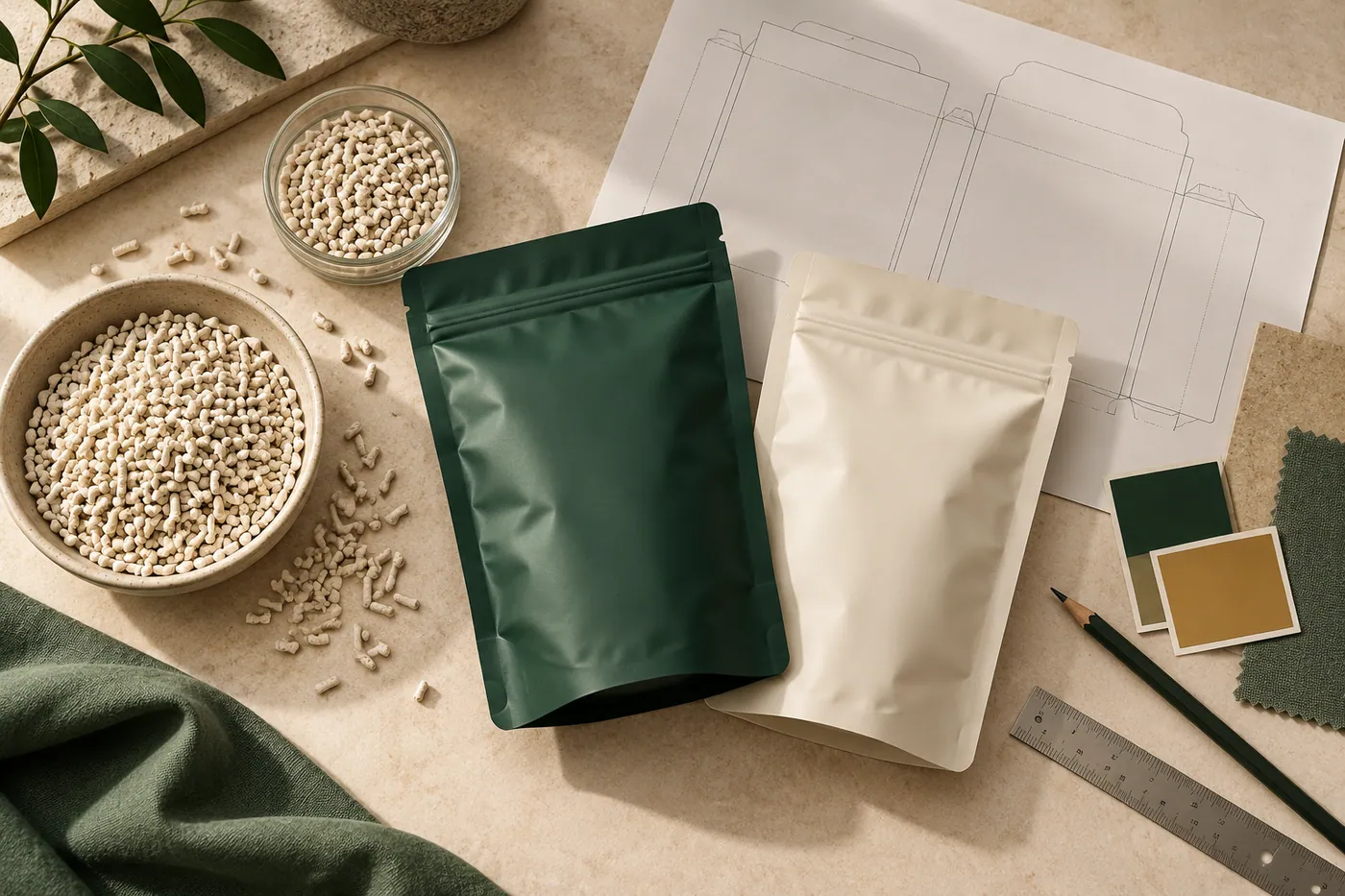
Prepare print-ready artwork using the supplier’s final dieline. Check dimensions, net contents, product instructions, barcode, business details and any destination-specific labeling requirements. Establish who approves the text and who signs the production proof. Verify claims before printing them on every bag.
Make the production handover explicit
The approved specification, sample reference, artwork revision and purchase order should describe the same product. Confirm tolerances, quantity, packaging configuration and inspection timing. Document which changes need your approval and how the manufacturer will identify the production batch.
Plan the arrival, not just the shipment
Discuss shipping terms, carton or pallet arrangements, export documents and the delivery destination. Include time for receiving checks and stock setup in your launch plan. The supplier’s production date and your shelf-ready launch date are different milestones.
For a first conversation, bring your market brief and any artwork you already have. If the formulation is still open, describe the performance and price position you are aiming for. That creates a useful starting point for product recommendations.
This guide is a purchasing framework. Confirm product-specific performance, documentation and commercial terms in your quotation.